The Rising Costs of Prescription Drugs
Prescription drug costs in the United States have been a hot topic for many years, sparking debates about healthcare costs and medication pricing. While drug prices soar, patients and healthcare providers grapple with the financial burden. Understanding why these costs are so high is crucial for patients and policymakers alike.
Factors Contributing to High Medication Pricing
Several factors contribute to the high pricing of prescription drugs in the U.S.
- Lack of Price Regulation: Unlike many other countries, the U.S. does not regulate drug prices, allowing pharmaceutical companies to set prices freely.
- Research and Development Costs: Developing new medications involves significant investment, and companies aim to recoup these costs through pricing.
- Patent Protections: Patents provide exclusivity, preventing generic competition and allowing companies to maintain high prices.
- Middlemen and Insurance: Pharmacy benefit managers and insurance practices often contribute to increased prices through complex pricing strategies.
Impact on Patients and Healthcare
The high cost of prescription drugs affects not just the patients but the entire healthcare ecosystem.
Many patients struggle to afford their medications, which can lead to non-adherence and worsening health conditions. This, in turn, increases overall healthcare costs due to additional treatments and hospitalizations. The financial strain on patients can also lead to difficult choices, such as skipping doses or choosing between medication and other essentials.
Efforts to Reduce Healthcare Costs
Several initiatives and proposals aim to tackle the issue of rising medication pricing.
- Legislative Efforts: Some lawmakers propose bills to allow Medicare to negotiate drug prices directly, potentially lowering costs.
- Encouraging Generics: Increasing the availability and use of generic drugs can offer more affordable options for patients.
- Transparency in Pricing: Efforts to make drug pricing more transparent can empower consumers and policymakers to make informed decisions.
The Role of Online Prescription Services
Online platforms like ThriveRX Medical play a vital role in helping patients access affordable prescription medications. By streamlining the process through telehealth assessments and direct shipping, these services help reduce overall costs and increase convenience for patients.
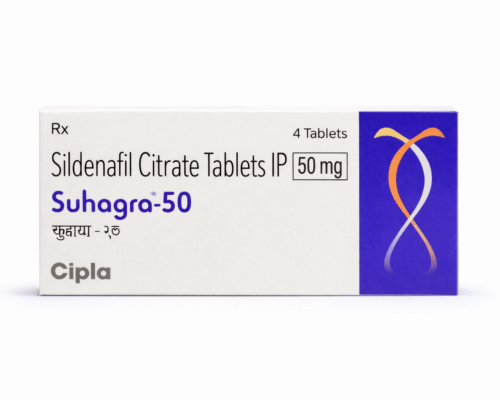
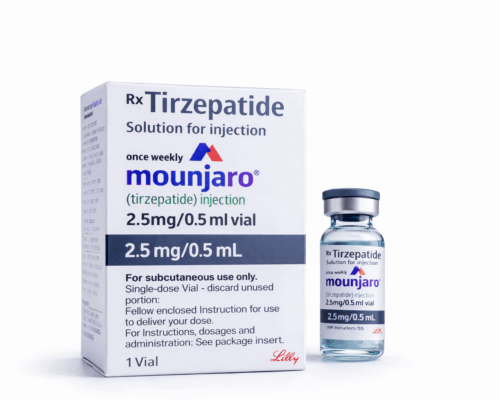
Moreover, by focusing on popular medications like GLP-1 and sexual health meds, online services ensure that patients can obtain necessary drugs without the added burden of traditional pharmacy markups.
Conclusion
The issue of prescription drug costs in the United States is complex, with numerous contributing factors. However, understanding these factors and exploring different solutions can help alleviate the financial burden on patients. As the healthcare landscape evolves, continued efforts to address medication pricing and healthcare costs will be essential for improving patient access and outcomes.