Understanding Generic vs Brand Name Drugs
When it comes to prescription medications, patients often encounter a choice between generic and brand name drugs. This decision can spark questions about efficacy, safety, and cost. Understanding the differences can help you make informed decisions about your health.
What Are Brand Name Drugs?
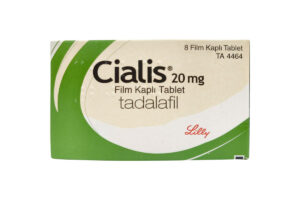
Brand name drugs are medications marketed under a proprietary, trademark-protected name. When a pharmaceutical company develops a new drug, it is patented, granting them exclusive rights to produce and sell the drug for a period of time. This exclusivity allows the company to recoup research and development costs.
What Are Generic Drugs?
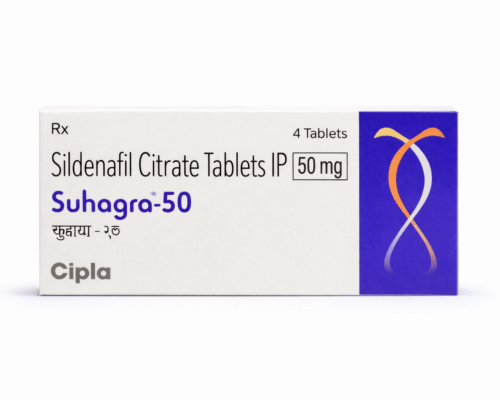
Generic drugs are essentially equivalent versions of brand name medications. Once the patent on a brand name drug expires, other manufacturers can produce the same medication using the same active ingredients. These drugs are marketed under their chemical names and are usually less expensive than their branded counterparts.
Bioequivalence and Quality
Bioequivalence Explained
A key term in the discussion of generic vs brand drugs is bioequivalence. Generic drugs must demonstrate bioequivalence, meaning they deliver the same amount of active ingredient into a patient’s bloodstream in the same time frame as the brand name drug. This ensures that the generic version is as effective and safe as the original.
Medication Quality
The quality of generic drugs is regulated by the U.S. Food and Drug Administration (FDA) and other similar bodies worldwide. These organizations require generic drugs to meet the same standards of quality, strength, purity, and stability as brand name drugs. This means that generics are just as reliable in terms of efficacy and safety.
Cost Differences and Accessibility
One of the most significant differences between generic and brand name drugs is cost. Generic drugs are generally cheaper because their manufacturers do not bear the initial development costs. This makes them more accessible to a broader range of patients, improving public health outcomes by making essential medications affordable.
Myths About Generic Drugs
- Myth: Generics Are Less Effective – The fact that generics must be bioequivalent disproves this myth. They are equally effective.
- Myth: Generics Take Longer to Work – Generics have the same active ingredients that ensure they work in the same time frame.
- Myth: Generics Are of Lower Quality – Strict regulations ensure that generics meet the same quality standards as brand name drugs.
When Brand Might Be Better
While generics are typically equivalent, there are rare cases where brand name drugs may be preferred. Some patients may experience different side effects or absorption rates due to inactive ingredients, and in such cases, consulting with a healthcare provider is crucial.
Making the Right Choice
The decision between generic and brand name drugs should be guided by personal health needs and financial considerations. Healthcare providers can offer valuable advice tailored to individual circumstances, ensuring the chosen medication is both effective and affordable.
Ultimately, understanding the nuances of generic versus brand name drugs empowers patients to make informed decisions that best suit their health and budgetary needs.