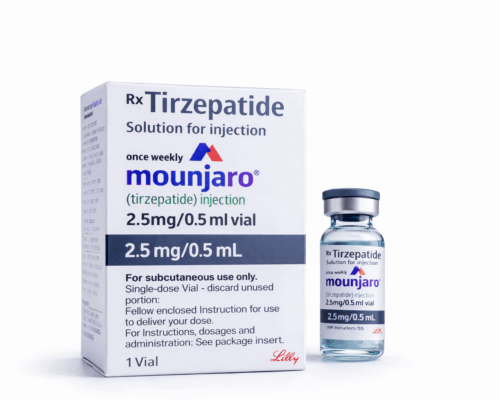
The Current Landscape of Prescription Drug Pricing
Prescription drug pricing in the United States has long been a contentious issue. With prices for essential medications rising, many Americans find it increasingly difficult to afford their prescriptions. This has prompted calls for drug pricing reform, a complex and multifaceted challenge that involves various stakeholders, including pharmaceutical companies, insurers, and the government.
The Role of Medicare Negotiation
One of the most significant aspects of drug pricing reform is the proposal to allow Medicare to negotiate drug prices directly with pharmaceutical companies. Currently, Medicare is prohibited from negotiating prices, which many argue results in higher costs for seniors and the disabled who rely on Medicare for their healthcare needs. Advocates for change believe that empowering Medicare to negotiate could lead to significant savings for the government and lower out-of-pocket costs for patients.
Potential Policy Changes and Their Implications
Drug pricing reform could take several forms, including legislative changes that allow for negotiation, price caps, or the introduction of international pricing indexes. Such reforms are aimed at making prescription drugs more affordable and accessible. However, these changes could also have implications for innovation within the pharmaceutical industry, potentially affecting the development of new medications.
- Price Caps: Implementing price caps on certain medications could immediately reduce costs but might disincentivize pharmaceutical companies from investing in new drug development.
- International Pricing Index: Tying U.S. drug prices to those in other countries may help bring prices down but could also cause discrepancies in drug availability and innovation.
- Transparency Initiatives: Increasing transparency in drug pricing could help consumers make more informed choices and encourage competition among drug manufacturers.
Impact on Patients and Healthcare Providers
For patients, especially those with chronic conditions or requiring expensive medications, drug pricing reform could mean the difference between accessing necessary treatments or forgoing them due to cost. For healthcare providers, lower drug prices could simplify treatment decisions and improve patient adherence to prescribed regimens.
Challenges and Considerations
Despite the potential benefits, drug pricing reform faces numerous challenges. Political opposition, regulatory hurdles, and the pharmaceutical industry’s concerns about reduced profit margins are significant barriers. Additionally, finding a balance between making drugs affordable and ensuring continued innovation is a delicate task.
The Future of Drug Pricing Reform
As discussions around drug pricing reform continue, it is crucial for Americans to stay informed about potential changes and their impacts. Whether through legislative action or market-driven solutions, achieving fair drug pricing will require collaboration among all stakeholders. Ultimately, the goal is to create a system where life-saving medications are accessible and affordable for all.