Understanding the Basics of Prescription Reading
Prescription reading is a crucial skill for anyone managing their health with medications. It ensures that you take your medication correctly, avoid potential side effects, and maximize the effectiveness of your treatment. This guide will help you understand medication labels and dosage instructions.
Why Prescription Reading is Important
Proper prescription reading can prevent medication errors, which are a significant cause of health complications. By understanding your prescription, you can prevent taking the wrong dose, using the wrong medication, or mixing medications that should not be combined.
Decoding Medication Labels
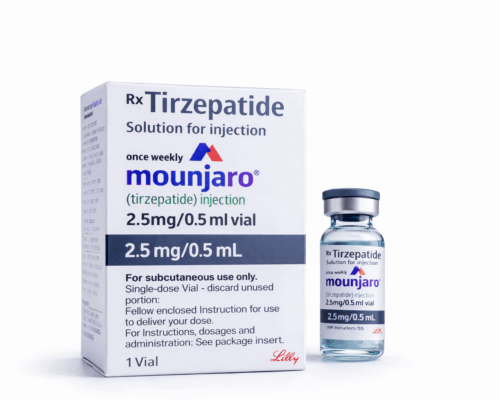
Medication labels provide essential information that helps you use your prescription safely and effectively. Here’s what to look for:
- Patient Information: Ensure the medication is prescribed for you or the intended individual.
- Drug Name: Check both the brand name and generic name to avoid confusion.
- Dosage Instructions: Follow the prescribed amount, frequency, and duration closely.
- Expiration Date: Do not use medications past this date as they may be ineffective or harmful.
- Side Effects: Be aware of potential side effects and consult your doctor if you experience any adverse reactions.
Common Abbreviations and Terms
Prescription labels often include abbreviations and medical terms. Here are some common ones:
- mg: milligrams, the standard unit for medication dosage
- q.d.: once daily
- b.i.d.: twice daily
- t.i.d.: three times daily
- q.i.d.: four times daily
Understanding these abbreviations can help you follow dosage instructions accurately.
Dosage Instructions: Following Them Correctly
Dosage instructions are tailored to your specific health needs. They are based on factors such as your age, weight, and the condition being treated. Always follow these instructions to ensure effectiveness and safety.
Tips for Accurate Dosage
- Use the Right Tools: Use a calibrated medicine cup, spoon, or syringe for liquid medications.
- Set Reminders: Use alarms or apps to remind you to take your medication on time.
- Keep a Record: Maintain a medication journal to track what you take and when.
Consulting Your Healthcare Provider
If you have any questions or concerns about your prescription, don’t hesitate to contact your healthcare provider. They can clarify instructions and provide additional information specific to your health needs.
The Role of Telehealth Services
Telehealth services, like those offered by ThriveRX Medical, can be a valuable resource for managing prescriptions. They provide access to licensed professionals who can assist with prescription reading and answer any questions remotely.
Conclusion
Mastering the art of prescription reading is essential for effective medication management. By understanding medication labels and accurately following dosage instructions, you can ensure your treatment is both safe and effective. Always consult your healthcare provider if you have any questions about your medications.