Understanding Medication Expiration Dates
Medication expiration dates are crucial for ensuring the safety and efficacy of prescription drugs. These dates indicate the time frame in which the manufacturer guarantees the full potency and safety of the medication under proper storage conditions. Ignoring expiration dates can lead to reduced effectiveness and even potential harm.
Why Expiration Dates Matter
Expiration dates are determined through rigorous testing by pharmaceutical companies. Over time, chemical compositions can change, leading to decreased potency or the development of harmful compounds. Using expired medications can result in ineffective treatment or adverse reactions.
How Expiration Dates are Determined
Pharmaceutical companies conduct stability testing to establish expiration dates. These tests assess how long a drug maintains its intended quality and strength under specific storage conditions. Factors such as temperature, humidity, and exposure to light are considered during testing.
Proper Drug Storage
Proper storage of medications is essential for preserving their efficacy and safety. Incorrect storage can accelerate degradation, affecting the drug’s shelf life.
General Storage Tips
- Temperature: Most medications should be stored at room temperature, away from direct sunlight and heat sources.
- Humidity: Avoid storing medications in damp environments such as bathrooms, as moisture can degrade the active ingredients.
- Light: Some medications are sensitive to light and should be kept in their original packaging or a dark container.
Refrigerated Medications
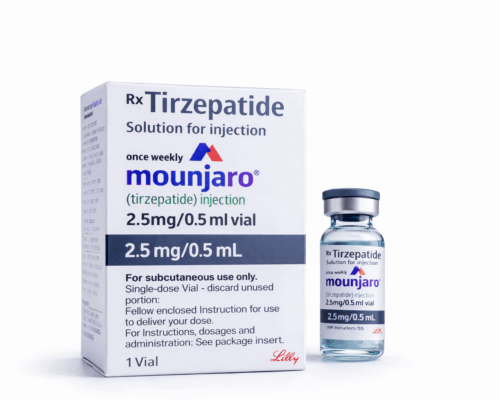
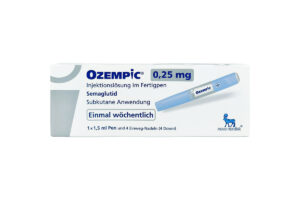
Certain medications, particularly those that are injectable like Mounjaro and Ozempic, may require refrigeration. Always follow the storage instructions provided by your healthcare provider or pharmacist.
Safe Disposal of Expired Medications
Proper disposal of expired medications is essential to prevent accidental ingestion or environmental contamination. Many pharmacies offer take-back programs, and some communities have designated medication disposal sites. Do not flush medications down the toilet unless instructed.
Extending Medication Shelf Life
While expiration dates are a guideline for safety, storing medications properly can help extend their shelf life and ensure they remain effective until the expiration date.
Organizing Your Medications
Keep a record of your medications, including their expiration dates, and regularly check your medicine cabinet to remove expired products. This practice helps ensure you always have effective medications when needed.
In conclusion, understanding medication expiration dates and adhering to proper storage guidelines are vital components of medication management. Taking these steps not only ensures the effectiveness of your treatment but also safeguards your health.