In today’s healthcare landscape, the cost of medications is a significant concern for many. Patients often face the decision between brand-name drugs and their generic counterparts. Understanding the differences in cost and potential savings is crucial for making informed healthcare decisions.
What Are Brand-Name and Generic Medications?
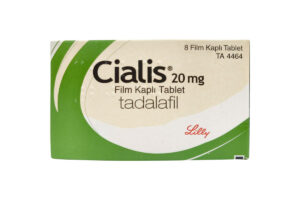
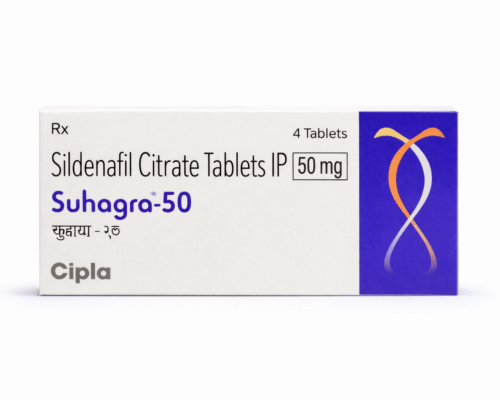
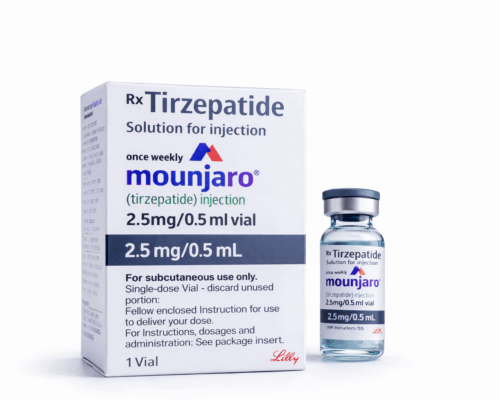
Brand-name medications are drugs marketed under a trademarked name by a pharmaceutical company. These drugs are initially developed and patented, giving the company exclusive rights to sell them. Generic medications, on the other hand, are chemically identical versions of brand-name drugs. They become available after the original patent expires, allowing other manufacturers to produce and sell them.
The Approval Process
Both brand-name and generic drugs undergo rigorous testing by the FDA to ensure safety and efficacy. The primary difference is that generics do not require the same costly clinical trials as brand-name drugs, which significantly reduces their development costs.
Price Comparison: Brand vs Generic Cost
One of the most significant distinctions between brand-name and generic medications is their price. Brand-name drugs are often more expensive due to the extensive research, marketing, and development costs involved. In contrast, generic drugs are typically 80-85% cheaper because they do not bear these initial expenses.
- Cost Savings: By choosing generic medications, patients can save significantly, making healthcare more accessible and affordable.
- Insurance Coverage: Many insurance plans favor generics due to their lower cost, offering better coverage and reduced out-of-pocket expenses.
Factors Influencing the Cost of Medications
Several factors can influence the cost of both brand-name and generic medications. Understanding these can help patients make cost-effective choices.
Research and Development
Brand-name drugs come with a hefty price tag due to the extensive research and development involved. This investment is necessary to bring a new medication to market.
Patent Protection
During the patent period, brand-name drugs face no competition, allowing manufacturers to set higher prices. Once the patent expires, generic manufacturers enter the market, driving prices down.
Market Competition
The presence of multiple generic manufacturers increases competition, often leading to price reductions. This competition is beneficial for consumers, resulting in lower costs.
Potential Savings with Generics
Switching from brand-name to generic medications can lead to substantial savings for patients. On average, patients can save up to 85% on their prescriptions by opting for generics.
- Widely Available: Most popular medications have generic versions, providing patients with affordable options.
- Equally Effective: Generics are required to have the same active ingredients, strength, and dosage form as their brand-name counterparts, ensuring their effectiveness.
Conclusion
When it comes to choosing between brand-name and generic medications, understanding the real cost differences is essential. Generic drugs offer a cost-effective and equally effective alternative to brand-name medications, providing significant savings and making healthcare more accessible. Patients should consult with healthcare providers to explore generic options and maximize their savings on prescription medications.