Understanding Erectile Dysfunction and Its Causes
Erectile dysfunction (ED) is a common condition affecting millions of men worldwide, characterized by the inability to achieve or maintain an erection sufficient for satisfactory sexual performance. While ED can result from various physical and psychological factors, the root cause often involves impaired blood flow to the penis.
The Role of Blood Flow in Erectile Function
For an erection to occur, there must be adequate blood flow into the corpora cavernosa, the sponge-like regions of the penis. This process is facilitated by the relaxation of smooth muscles within the penile tissue, allowing blood to fill the spaces and create pressure. The subsequent expansion and rigidity result in an erection. Any disruption in this process can lead to ED.
How Viagra Works: The Science of PDE5 Inhibitors
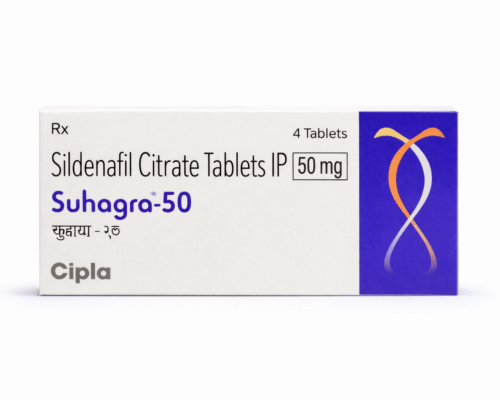
Viagra, known generically as sildenafil, is a breakthrough medication in the treatment of ED. It belongs to a class of drugs known as PDE5 inhibitors. These medications work by targeting the enzyme phosphodiesterase type 5 (PDE5), which plays a critical role in regulating blood flow in the penis.
The Mechanism of PDE5 Inhibitors
Under normal circumstances, sexual arousal leads to the release of nitric oxide (NO) in the penis. This chemical stimulates the production of cyclic guanosine monophosphate (cGMP), which causes the smooth muscles to relax and blood vessels to dilate, facilitating increased blood flow. PDE5 is responsible for breaking down cGMP, which limits the duration of an erection.
Viagra and other PDE5 inhibitors work by blocking the action of PDE5, thereby preventing the breakdown of cGMP. As a result, cGMP levels remain elevated, promoting prolonged muscle relaxation and sustained blood flow, which helps achieve and maintain an erection.
Effectiveness and Onset of Action
Viagra is highly effective for many men with ED. It typically begins to work within 30 to 60 minutes after ingestion, although sexual stimulation is still required to initiate the release of nitric oxide and subsequent physiological responses. The effects of Viagra can last for up to four hours, providing a substantial window for sexual activity.
Other PDE5 Inhibitors and Their Use
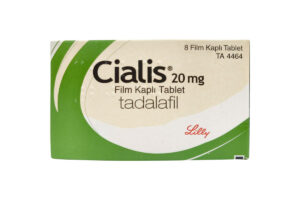
Besides Viagra, other PDE5 inhibitors include tadalafil (Cialis), vardenafil (Levitra), and avanafil (Stendra). Each of these medications has unique characteristics in terms of onset and duration of action, allowing for tailored treatment plans based on individual needs and preferences.
- Tadalafil: Known for its prolonged duration of action, lasting up to 36 hours, which has earned it the nickname “the weekend pill.”
- Vardenafil: Offers similar benefits to Viagra but may have a faster onset for some users.
- Avanafil: Known for its rapid onset, potentially working within 15 minutes for some men.
Safety and Considerations
While PDE5 inhibitors are generally safe for most men, they are not suitable for everyone. Men taking nitrates for heart conditions or those with certain medical conditions should avoid these medications due to potential interactions. It is crucial to consult with a healthcare provider to determine the most appropriate treatment for ED.
Conclusion
Understanding how Viagra and other PDE5 inhibitors work provides valuable insight into their role in treating erectile dysfunction. By enhancing the natural processes that lead to an erection, these medications have improved the quality of life for many men. As research continues, new treatments and refinements promise even greater advancements in ED management.