Understanding Physical Causes of Erectile Dysfunction
Erectile dysfunction (ED) is a common issue affecting millions of men worldwide. While it can be influenced by psychological factors, a significant number of cases are rooted in physical causes. Understanding these causes is crucial for effective treatment and management.
Vascular Causes of Erectile Dysfunction
The most common physical cause of ED is vascular problems. The process of achieving an erection depends heavily on blood flow. If blood vessels are damaged or restricted, it can impede this process, leading to erectile dysfunction.
Cardiovascular Diseases: Conditions such as atherosclerosis, high blood pressure, and high cholesterol can damage blood vessels, reducing blood flow to the penis and causing ED.
Diabetes: Diabetes is another condition that can cause vascular ED. It damages blood vessels and nerves, impairing the blood flow necessary for an erection.
Neurological and Hormonal Causes
ED can also result from neurological and hormonal issues. These problems can affect the nerves or hormones that contribute to the erectile process.
Neurological Disorders: Conditions like Parkinson’s disease, multiple sclerosis, and spinal cord injuries can disrupt the nerve signals needed for an erection.
Hormonal Imbalances: Low levels of testosterone or other hormonal imbalances can contribute to ED. Hormones play a vital role in sexual arousal and the erectile process.
Medications and Lifestyle Factors
Certain medications and lifestyle choices can also lead to physical ED. It’s important to consider these factors when diagnosing and treating ED.
Medications: Some prescription drugs, including those for depression, high blood pressure, and prostate conditions, can cause ED as a side effect.
Lifestyle Factors: Smoking, excessive alcohol consumption, and lack of physical activity can all contribute to erectile dysfunction. These habits can damage blood vessels and impair blood flow.
Addressing Physical ED Causes
Identifying the physical causes of ED is the first step in addressing the condition. Treatment options may include lifestyle changes, medication, or other medical interventions.
Lifestyle Modifications: Adopting a healthier lifestyle by exercising, quitting smoking, and reducing alcohol intake can improve ED symptoms.
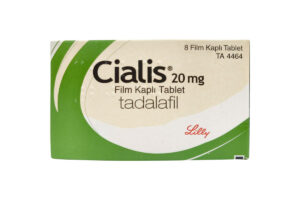
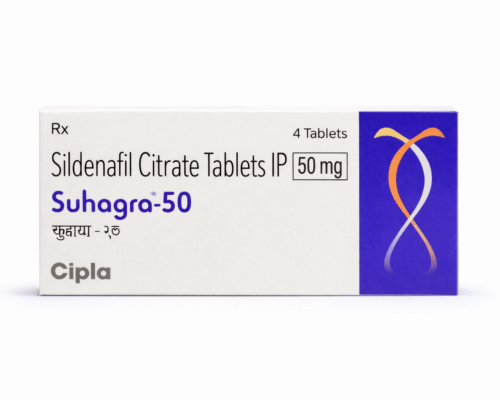
Medication: Medications like sildenafil (Viagra) can help improve blood flow to the penis, making it easier to achieve and maintain an erection.
Consultation with Healthcare Professionals: Seeking advice from medical professionals is essential. They can help identify the underlying causes and recommend appropriate treatments based on individual needs.
Conclusion
Erectile dysfunction is a complex condition with various physical causes. Understanding these causes can help in finding effective treatments and improving quality of life. If you experience symptoms of ED, consult with a healthcare professional to explore the best options for you.