In the United States, the cost of medications can vary significantly, even among similar drugs. This variance impacts patients’ access to necessary treatments, making it crucial to understand which medications have the largest price differences. In this article, we explore the top 20 expensive drugs with notable price discrepancies, offering insights into the reasons behind these differences and how patients can navigate them.
Understanding Price Differences
Several factors contribute to the price differences in medications, including manufacturing costs, patent status, insurance coverage, and market demand. These elements can cause the same medication to have vastly different prices at different pharmacies or when covered by different insurance plans.
Factors Influencing Drug Prices
- Patent Protection: Brand-name drugs under patent protection often have higher prices due to lack of competition.
- Generic Availability: The introduction of generic versions usually reduces the price of medications significantly.
- Insurance Coverage: Insurance plans may cover drugs differently, leading to out-of-pocket price variations for patients.
- Pharmacy Pricing: Different pharmacies set prices based on their business models, affecting overall costs.
Top 20 Medications with Notable Price Differences
1. Insulin
Insulin, essential for diabetes management, often varies in price based on brand, with some patients paying hundreds more depending on their insurance coverage or pharmacy choice.
2. EpiPen
The EpiPen, a life-saving device for severe allergic reactions, has seen significant price hikes, with generic alternatives offering some relief to consumers.
3. Humira
Used to treat autoimmune diseases, Humira’s price can differ widely due to its biologic nature and limited generic options.
4. Harvoni
This hepatitis C treatment is highly effective but expensive, with prices varying based on insurance negotiations and patient assistance programs.
5. Revlimid
Used in cancer treatment, Revlimid’s price is often influenced by its patent protection and the lack of a generic equivalent.
6. Enbrel
Another autoimmune medication, Enbrel’s price differences stem from its biologic status and market competition.
7. Xtandi
For prostate cancer, Xtandi’s cost varies significantly, especially for patients without comprehensive insurance coverage.
8. Xarelto
This blood thinner has different prices based on pharmacy and insurance plans, with generics helping to lower costs.
9. Truvada
Used for HIV prevention, Truvada’s price can fluctuate due to patent status and available generics like Descovy.
10. Spiriva
For COPD, Spiriva’s cost differences are often due to brand versus generic versions and insurance coverage.
11. Advair
Asthma patients see varied prices for Advair, influenced by generics and insurance formularies.
12. Lipitor
As a cholesterol-lowering medication, Lipitor’s price has decreased with the availability of generics, though some pharmacies still charge more.
13. Januvia
Used for diabetes management, Januvia’s cost differences can be attributed to insurance coverage and pharmacy pricing.
14. Cialis
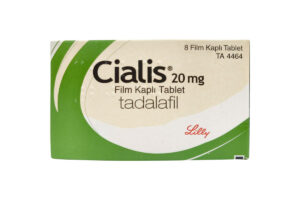
For erectile dysfunction, Cialis prices vary significantly with market competition and generic options like tadalafil.
15. Zytiga
Used in prostate cancer treatment, Zytiga’s price differences are influenced by patent status and insurance negotiations.
16. Sovaldi
Another hepatitis C treatment, Sovaldi’s cost varies based on insurance coverage and patient assistance programs.
17. Ibrance
For breast cancer, Ibrance’s price differences stem from its patent protection and limited generic competition.
18. Epclusa
Used for hepatitis C, Epclusa’s cost varies due to insurance negotiations and availability of patient assistance programs.
19. Tecfidera
This multiple sclerosis treatment sees price differences often due to insurance coverage and pharmacy pricing.
20. Lantus
As a long-acting insulin, Lantus’s price varies greatly based on insurance plans and the availability of biosimilars.
Conclusion
Navigating the landscape of expensive drugs and their price differences requires patience and understanding. Patients can benefit from discussing options with healthcare providers and exploring generics or alternative medications. Staying informed about these variations can lead to better financial and health outcomes.