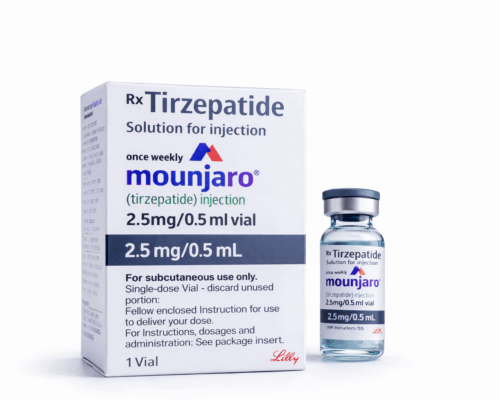
Introduction to Personal Importation
In today’s globalized world, the personal importation of prescription drugs has become an accessible option for many individuals seeking medications not readily available in their home country. Personal importation refers to the process of importing prescription medications for personal use from another country. This practice has gained popularity due to the potential cost savings and availability of medications that may not be approved or available domestically.
FDA Policy on Personal Importation
The U.S. Food and Drug Administration (FDA) has specific guidelines regarding the personal importation of prescription drugs. While the FDA generally prohibits the importation of unapproved drugs, it does allow for certain exceptions under its personal importation policy. This policy permits individuals to import a three-month supply of medication for personal use under specific conditions.
Conditions for Personal Importation
- Intended for Personal Use: The imported medication must be intended for personal use only, not for commercial distribution or resale.
- FDA Approval: The drug being imported should ideally be FDA-approved, although certain non-approved medications may be considered if they treat a serious condition that is not adequately treated domestically.
- Quantity Limit: The personal importation policy typically limits the quantity to a three-month supply, ensuring the medication is for short-term use.
- Documentation: Importers should have a valid prescription from a licensed healthcare provider and be able to provide documentation supporting the use of the medication under a physician’s supervision.
How to Import Prescription Drugs Legally
For those considering personal importation, it is crucial to understand the legal framework and requirements involved in the process. Here are some steps to ensure compliance with FDA policy:
Research and Verify
Before importing, research the medication’s approval status in the U.S. and verify the legitimacy of the foreign pharmacy. Ensure the pharmacy is licensed and reputable to avoid counterfeit drugs.
Consult Your Healthcare Provider
Discuss with your healthcare provider whether the medication is necessary and appropriate for your condition. Obtain a valid prescription and any supporting documentation required for importation.
Documentation and Declaration
When importing, include a copy of your prescription and a letter from your doctor explaining the necessity of the medication. Be prepared to declare the importation upon entry into the U.S.
Risks and Considerations
While personal importation can offer significant benefits, it also involves risks. Imported medications may not meet U.S. safety standards, and the quality can vary. Additionally, there is a risk of encountering legal issues if importation regulations are not strictly followed.
Quality and Safety Concerns
Imported drugs may not undergo the same rigorous testing and scrutiny as those approved by the FDA. This can lead to potential safety concerns, including incorrect dosages and harmful ingredients.
Legal Implications
Failure to comply with FDA regulations can result in seizure of the medication and potential legal consequences. It is essential to follow all guidelines to avoid complications.
Conclusion
Personal importation of prescription drugs offers a viable solution for individuals seeking access to necessary medications. By understanding and adhering to FDA policies, particularly the three-month supply limit, individuals can safely and legally import medications. Always consult with healthcare professionals and ensure compliance with all legal requirements to make informed decisions about personal importation.